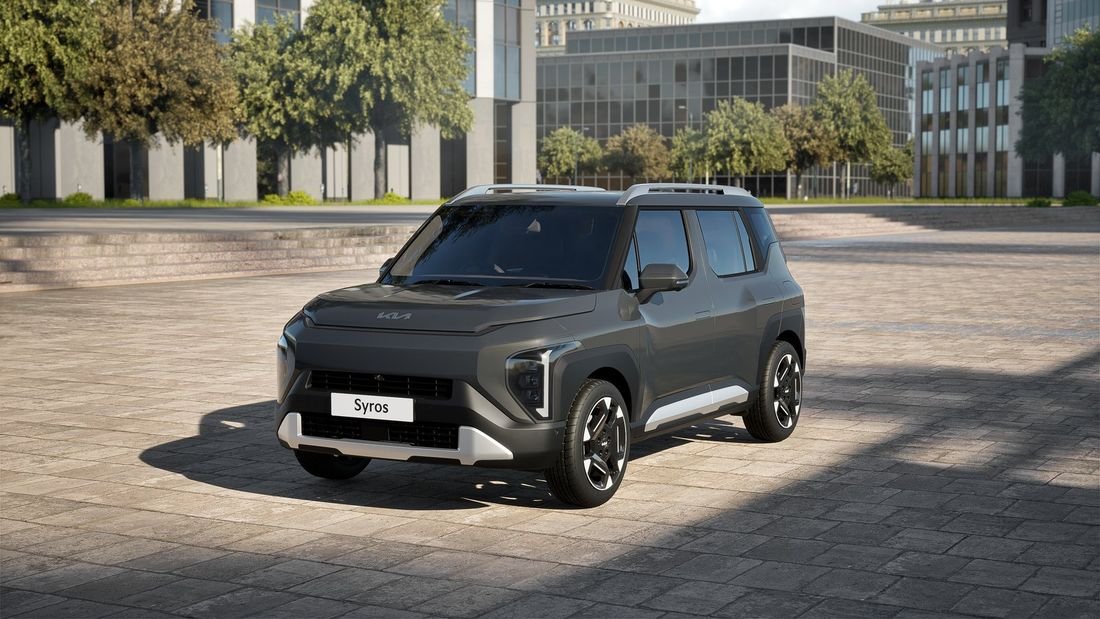
MG Hector Tomahawk Launched: 517km EV at ₹19.49 Lakh, PHEV at ₹25.69 Lakh — And India's First V2H Car

Image: MG Motor India
A note on this article: This is a spec-sheet and launch-event report. The Tomahawk EV begins test drives in September 2026 and the PHEV in November 2026. Real-world impressions will be added once drive time is available.
The name says nothing about what it actually is. MG's Hector Tomahawk carries the Hector nameplate, but it shares nothing with the existing MG Hector — not the platform, not the architecture, not even the manufacturing philosophy. The Tomahawk is built on MG's new ADAPT platform (derived from the Wuling Starlight 560), which supports both electric and plug-in hybrid drivetrains from the ground up. It was launched on August 26, 2026, as a three-row SUV available in EV and PHEV avatars — and with it, JSW MG Motor India makes two genuine firsts: India's first PHEV three-row SUV in this price bracket, and the country's first production car with Vehicle-to-Home (V2H) technology.
EV deliveries start in September. PHEV deliveries follow in November.
Two cars, one name: EV and PHEV explained
The Tomahawk EV uses a 69.2kWh LFP (lithium iron phosphate) battery paired with a single front-mounted electric motor producing 201 PS and 310 Nm. MG claims a range of 517km on the MIDC cycle and a 0–100 km/h time of 8.2 seconds. DC fast charging (up to 90kW via CCS2) takes the battery from 30 to 80 percent in around 35 minutes. A full charge on a 7.4kW AC home charger takes approximately 12.5 hours. LFP chemistry is the right call here — it handles deep charge cycles better than NMC, charges to 100 percent daily without long-term degradation concerns, and costs less to replace.
The PHEV is a more interesting proposition for most buyers. It uses a 1.5-litre naturally aspirated petrol engine paired with a 20.5kWh battery, producing a combined 198 PS and 230 Nm. MG claims an EV-only range of 115km and a total combined range exceeding 1,100km. Claimed efficiency on petrol is 40km/l. That 115km electric range covers most urban weekly commutes without touching the petrol engine at all — the combustion unit then exists purely for longer trips, functioning essentially as a range extender. This is a strong-hybrid architecture, not a mild one.
The V2H claim — what it actually means
This deserves more than a spec-sheet mention. V2H (Vehicle-to-Home) means the Tomahawk EV can discharge its battery to power household appliances directly — air conditioning, refrigerator, lights, appliances — through a compatible home inverter setup. MG is claiming this as a first for any production car sold in India. V2L (Vehicle-to-Load, powering devices via a standard outlet) is already available in several EVs. V2H is the next step — bidirectional charging into your home's electrical circuit. For a country with frequent power cuts, this is a genuinely useful feature, not just a spec-sheet entry. The practical setup, compatible inverter costs, and real power output haven't been independently tested yet — those details will matter more than the claim.
Dimensions and seating
The Tomahawk measures 4,745mm in length, 1,850mm wide, and 1,770mm tall on a 2,810mm wheelbase, with 230mm of ground clearance. That puts it squarely in the same size class as the Mahindra XEV 9S and significantly larger than the Kia Carens Clavis EV. The 5-seat variant offers 610 litres of boot space, expanding to 1,053 litres with the second row folded. The 7-seat version trades some of that boot space for a third row, with the configurable second-row seats able to slide and recline independently.
Features
The Tomahawk's cabin is built around a 15.6-inch touchscreen — the largest in its segment — paired with an 8.8-inch digital instrument cluster and an 8.7-inch secondary display. The feature list includes a panoramic sunroof, ventilated front seats, a six-way powered driver's seat with memory function, 256-colour ambient lighting, a 10-speaker Infinity audio system, wireless Apple CarPlay and Android Auto, a wireless charger, and a 360-degree camera with a transparent-chassis view (which projects an augmented-reality undercarriage view during low-speed manoeuvring).
MG has also included six dedicated cabin modes — Nap, Camp, Energise, Pro Pet, Valet, and Quiet — alongside 80+ connected car features and 30+ Hinglish voice commands. Level 2 ADAS, six airbags, ESP, ABS with EBD, TCS, HHC, and an electronic parking brake round out the safety package.
Variant prices (ex-showroom, outright purchase)
| Variant | Powertrain | Seating | Price |
|---|---|---|---|
| Excite | EV | 7-seat | ₹19.49 lakh |
| Exclusive | EV | 7-seat | ₹21.99 lakh |
| Essence | EV | 7-seat | ₹23.49 lakh |
| Essence | EV | 5-seat | ₹22.99 lakh |
| Exclusive | PHEV | 7-seat | ₹25.69 lakh |
| Essence | PHEV | 7-seat | ₹27.79 lakh |
Battery-as-a-Service (BaaS) pricing is also available: EV from ₹13.99 lakh, PHEV from ₹21.79 lakh, with a separate per-km battery rental cost. BaaS lowers the purchase price but increases running costs — run the numbers against your annual mileage before choosing it.
Who is the competition?
The Tomahawk EV goes directly against the Mahindra XEV 9S (₹21.90–27.90 lakh) and the Kia Carens Clavis EV (priced higher per seat given its smaller size). On range, 517km MIDC puts it ahead of most rivals in this bracket. The PHEV has effectively no direct competitor at this price — the Tata Safari is petrol and diesel only, the Mahindra XUV 7XO is yet to arrive in a PHEV avatar, and the Hyundai Alcazar PHEV doesn't exist. At ₹25.69–27.79 lakh for a plug-in hybrid with 115km electric range and 1,100km combined range, the Tomahawk PHEV is, at the moment, unique.
Flaming Piston's Take
The pricing is well-judged — MG has done this before with the Windsor EV's BaaS gambit, and the Tomahawk plays a similar hand. At ₹19.49 lakh outright for a three-row, 517km EV with a 15.6-inch screen and V2H, it undercuts the XEV 9S at equivalent configurations. The PHEV is the more compelling case: if you do a daily urban commute and occasional highway trips, 115km of electric range means the petrol engine stays off most weeks. The 1,100km combined range removes range anxiety entirely. The V2H capability, if it works as claimed with real home setups, is a genuine differentiator. We'll reserve final judgement until we've driven it — the 8.2-second 0–100 claim for a seven-seat EV sounds right on paper, but what matters more is how it behaves in bumper-to-bumper traffic and whether the third row is actually usable for adults. Those answers come in September.
Frequently asked questions
EV or PHEV — which one should I buy?
Depends entirely on two things: whether you have home or office charging, and how often you do long trips. If you charge regularly and mostly drive within the city, the EV makes more sense — 517km certified range is more than enough for a weekly cycle without touching a public charger. If you live in an area with limited charging infrastructure or regularly do intercity runs, the PHEV is the better call. The 115km electric range handles daily commuting without using petrol, and the 1,100km combined range means you never need to plan around a charger on a highway trip. MG's own guidance is the same.
What is the BaaS pricing and is it worth it?
Battery-as-a-Service separates the battery cost from the vehicle purchase price. For the EV, the car itself costs ₹13.99 lakh upfront and you pay ₹4.90 per km as a rental for the battery. For the PHEV, it's ₹21.79 lakh upfront with ₹3.20 per km. If you drive around 1,000km a month, BaaS adds roughly ₹3,900–4,900 per month to your cost — less than petrol would cost for the equivalent distance in most ICE SUVs. For low-mileage buyers, BaaS looks attractive. For high-mileage buyers, outright purchase usually works out cheaper over 3–4 years. Run your own numbers.
What exactly is V2H and does it need special equipment?
V2H (Vehicle-to-Home) means the Tomahawk EV can discharge its battery to power your home. Think of it as a backup generator that you already own, drive, and charge. The car exports power via a compatible bidirectional home inverter — this is not a standard inverter you already have. MG hasn't confirmed the inverter specifications or installation cost at the time of writing. That detail matters: V2H is only useful if the home inverter setup is affordable and widely available. We'll update this once MG publishes the technical requirements.
Is the PHEV actually India's first plug-in hybrid?
In the mass-market, mass-produced, locally manufactured sense — yes, MG is claiming this correctly. There have been imported PHEVs sold in India before, but none built at scale in India for the Indian market at this price point. The Tomahawk PHEV is the first PHEV you can walk into a dealership and buy for under ₹30 lakh.
What is the boot space on the 5-seat version?
The 5-seat variant offers 610 litres of boot space, with MG claiming 85% of the floor area is usable despite housing the battery below. The 7-seat variant trades some of that for the third row. MG hasn't published the 7-seat boot figure with all three rows up at the time of writing.
Is there a waiting period?
Almost certainly for the first few months. EV deliveries begin September 2026, PHEV in November 2026. Depending on which variant you want, expect a wait — especially for the Essence EV and PHEV Essence which are likely to draw the most demand. MG has been opening bookings; the sooner you book, the better your position in the queue.
What does the battery warranty cover?
MG hasn't published full battery warranty terms specific to the Tomahawk at the time of writing. For context, the Windsor EV's battery carries an 8-year/1.5 lakh km warranty — we'd expect similar or better coverage on the Tomahawk. Confirm with your MG dealer before purchase.
Sources: CarWale; Autocar India; Motoroids; CarDekho; MG Motor India official website (mgmotor.co.in).
Back to where you came from